
Peppermint tea (Photo by Vaclav Mach on Shutterstock)
When your stomach is doing somersaults, reaching for the right tea can provide welcome relief from digestive discomfort. For centuries, various cultures have turned to specific herbal infusions to calm nausea, ease bloating, and soothe intestinal distress. While pharmaceutical remedies certainly have their place, many people find comfort in the gentle, natural approach of therapeutic teas—whether dealing with occasional indigestion, morning sickness, or post-meal discomfort. From ginger’s spicy kick to peppermint’s cooling touch, let’s explore the most effective teas for upset stomachs to get you feeling like yourself again.
StudyFinds is a research-driven platform that analyzes and synthesizes expert recommendations from trusted sources. Rather than writing reviews ourselves, we meticulously compile consensus findings from leading industry experts and established publications to save consumers valuable research time. Each article represents hours of analysis across multiple authoritative sources to identify the most consistently recommended choices.
Best Tea for an Upset Stomach, Per Experts
1. Ginger
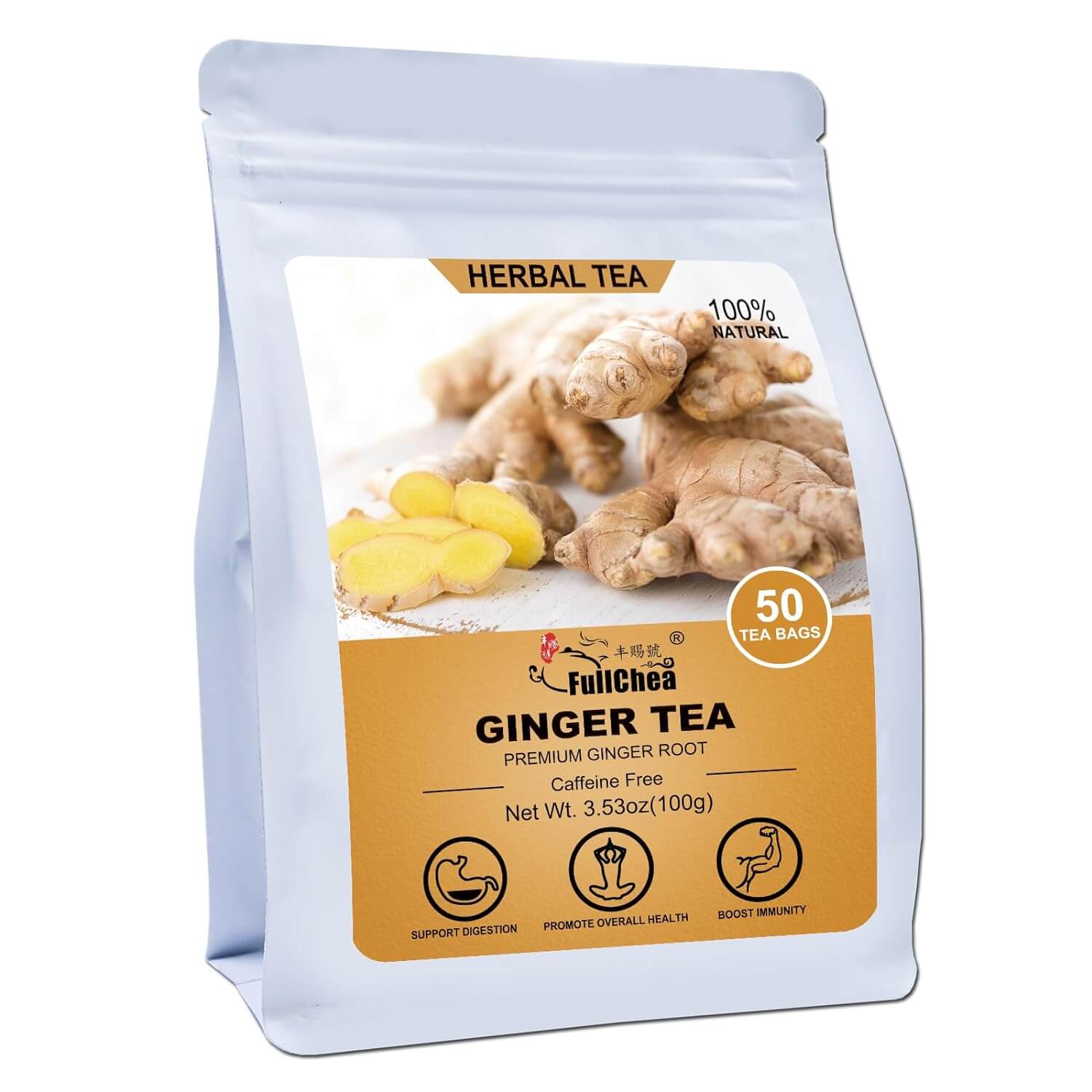
Ginger tea is a popular herbal remedy that has been enjoyed for centuries due to its numerous health benefits. Made from the root of the ginger plant, this tea is known for its soothing and warming properties, making it a go-to choice for those seeking relief from various ailments. Research cited by Silicol shows that ginger can tackle multiple digestive woes, from bloating and flatulence to cramps and irregular bowel movements. While most studies focus on concentrated ginger supplements, experts believe that a soothing cup of ginger tea can offer similar benefits.
Making your own ginger tea is surprisingly simple, according to Healthline. The process involves nothing more than boiling fresh ginger root in water, with impressive results—studies show it can help prevent morning sickness in pregnant women and even ease chemotherapy-induced nausea. For the perfect cup, grate some peeled ginger, let it steep in hot water for 10-20 minutes, and customize with additions like honey or lemon.
While many people instinctively reach for ginger ale when feeling queasy, Sencha Tea Bar points out that ginger tea is actually the more effective choice. Used for thousands of years as a digestive aid, ginger tea contains higher concentrations of stomach-soothing compounds than its carbonated cousin, making it more effective at providing quick relief from nausea and stomach discomfort.
2. Peppermint
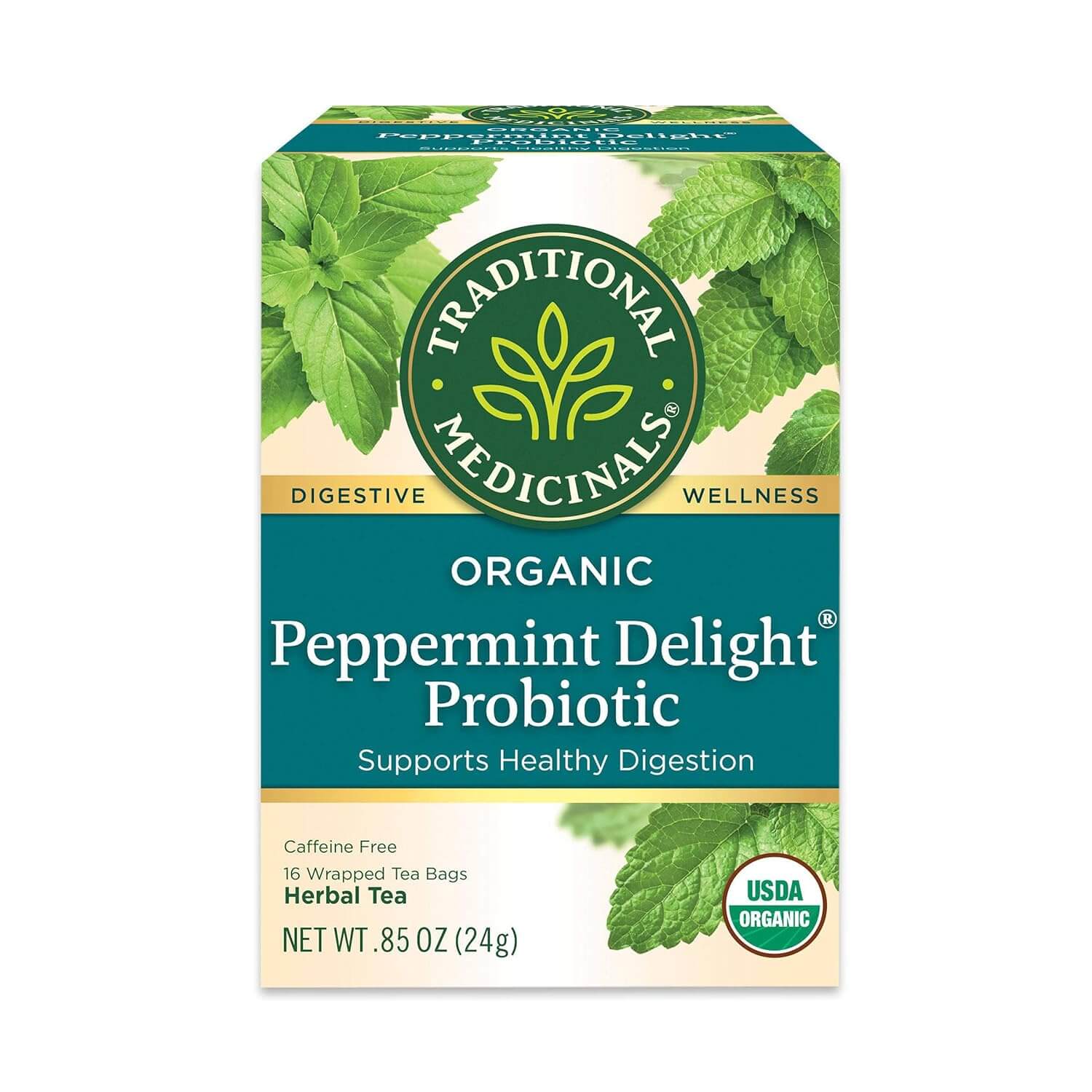
Peppermint tea is known for its refreshing and invigorating taste. Derived from the leaves of the peppermint plant, this tea has a distinctly minty flavor and a soothing aroma that can instantly uplift the senses. The Whistling Kettle says that even peppermint alone is a primary ingredient in treating gastrointestinal problems. This isn’t just a modern trend—it’s a remedy that’s stood the test of time.
The science behind peppermint’s effectiveness is fascinating, according to Sencha Tea Bar. This aromatic herb works by targeting pain receptors in the colon that affect stomach muscles, making it particularly effective at easing both nausea and menstrual cramps. It’s no wonder it’s been a cornerstone of alternative medicine for centuries.
Research reviewed by the Botanical Institute reveals that peppermint’s power lies in its high concentration of volatile oils. These compounds work in multiple ways to calm an upset stomach, from reducing inflammation to easing indigestion and nausea. Plus, its clean, refreshing flavor makes it a pleasant remedy to sip when you’re feeling under the weather. It’s tasty and effective!
3. Fennel
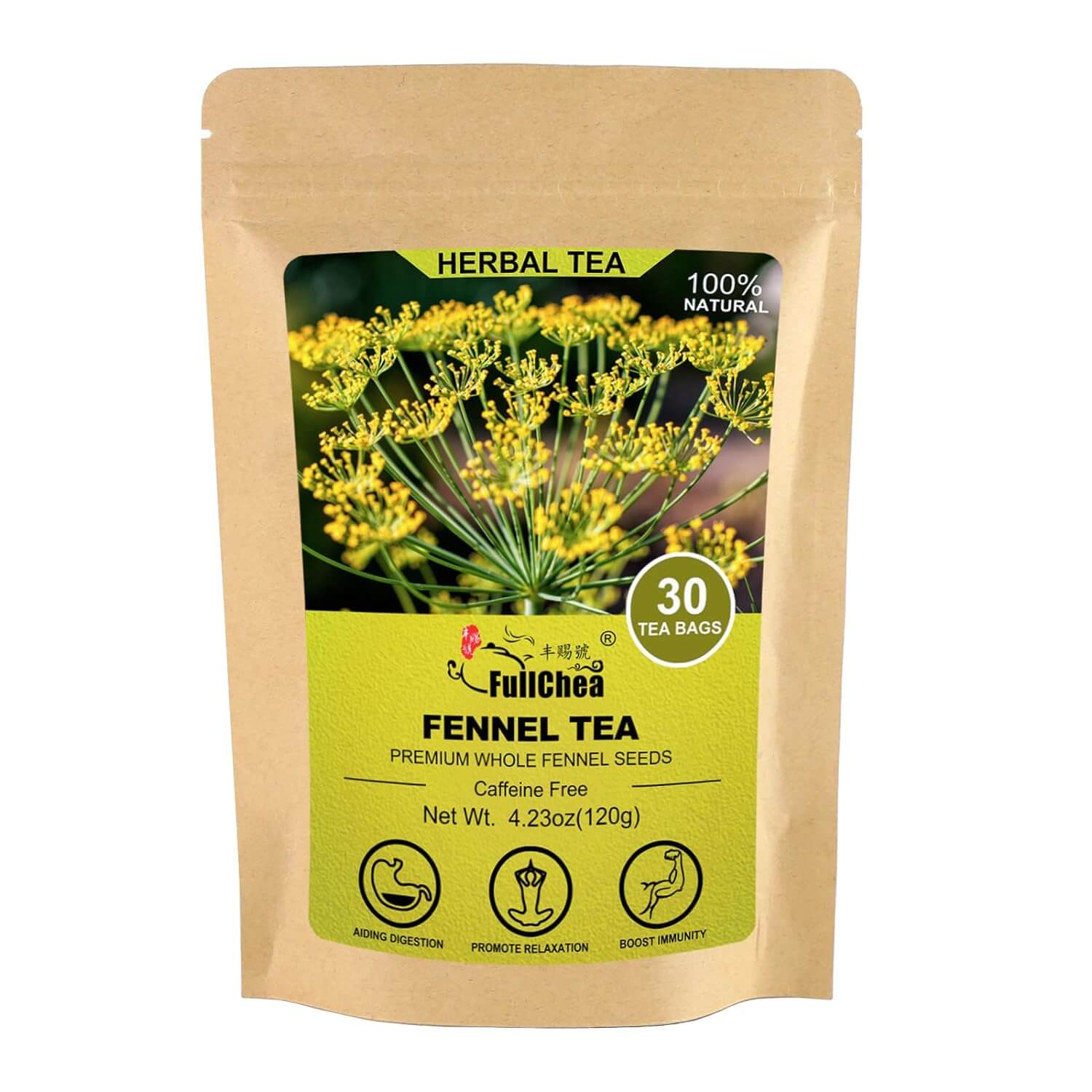
Fennel tea is made from the seeds of the fennel plant. Long before modern medicine, fennel tea was prized for its digestive benefits, and Silicol notes that this licorice-flavored herb remains a go-to remedy for various stomach issues, from constipation and bloating to stomach aches and diarrhea. Its natural antibacterial properties make it a particularly effective digestive aid.
The Botanical Institute shares fascinating clinical evidence of fennel’s effectiveness. In one notable study involving post-surgery patients, those treated with fennel seed experienced significantly less bloating and shorter hospital stays compared to those who received a placebo.
This Mediterranean native has an impressive historical pedigree, according to Sencha Tea Bar. The ancient Romans and Greeks believed fennel could enhance strength and promote longevity. Modern research supports some of these traditional uses, showing that fennel seeds stimulate gastric juices and help ease digestive discomfort through their antispasmodic and carminative properties.
Let’s break down what that actually means. Antispasmodic means it helps relax muscle spasms or cramps, particularly in your digestive tract. Think of it like a gentle muscle relaxer for your stomach and intestines. When you’re having digestive issues, your gut can get crampy and tense—antispasmodic herbs help calm those uncomfortable muscle contractions.
Carminative is just a fancy way of saying it helps reduce gas and bloating. These properties help break up gas bubbles in your digestive system and make it easier for that gas to pass through your system, reducing that uncomfortable bloated feeling.
So when we say fennel has “antispasmodic and carminative properties,” we’re simply saying it can help relax stomach cramps while also reducing gas and bloating—a powerful combination for digestive comfort!
4. Licorice
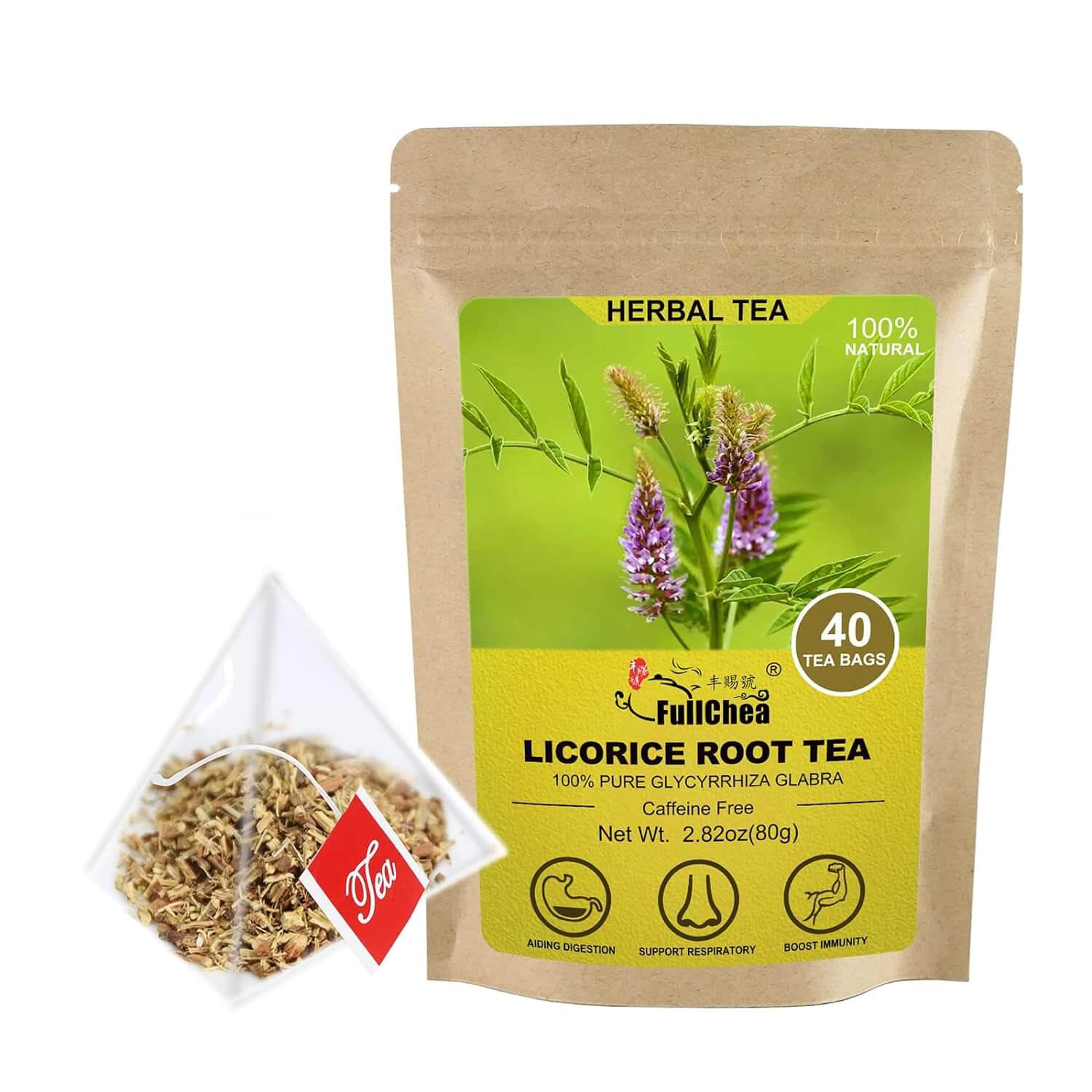
If you’re a fan of that distinct licorice flavor, Seven Teas suggests you might want to try licorice root tea for its nausea-fighting powers. While it’s also great for soothing sore throats and reducing inflammation, they caution that moderation is key—too much can affect your blood pressure.
According to Sencha Tea Bar, the glycyrrhiza glabra plant (better known as licorice root) was a staple in both Egyptian and Chinese traditional medicine. Beyond just calming an upset stomach, it can actually help repair and protect your stomach lining.
Research has shown this member of the legume family to be particularly effective at healing stomach ulcers, which can be the hidden culprits behind various digestive woes, from basic stomach pain to persistent heartburn and nausea (Healthline).
5. Green
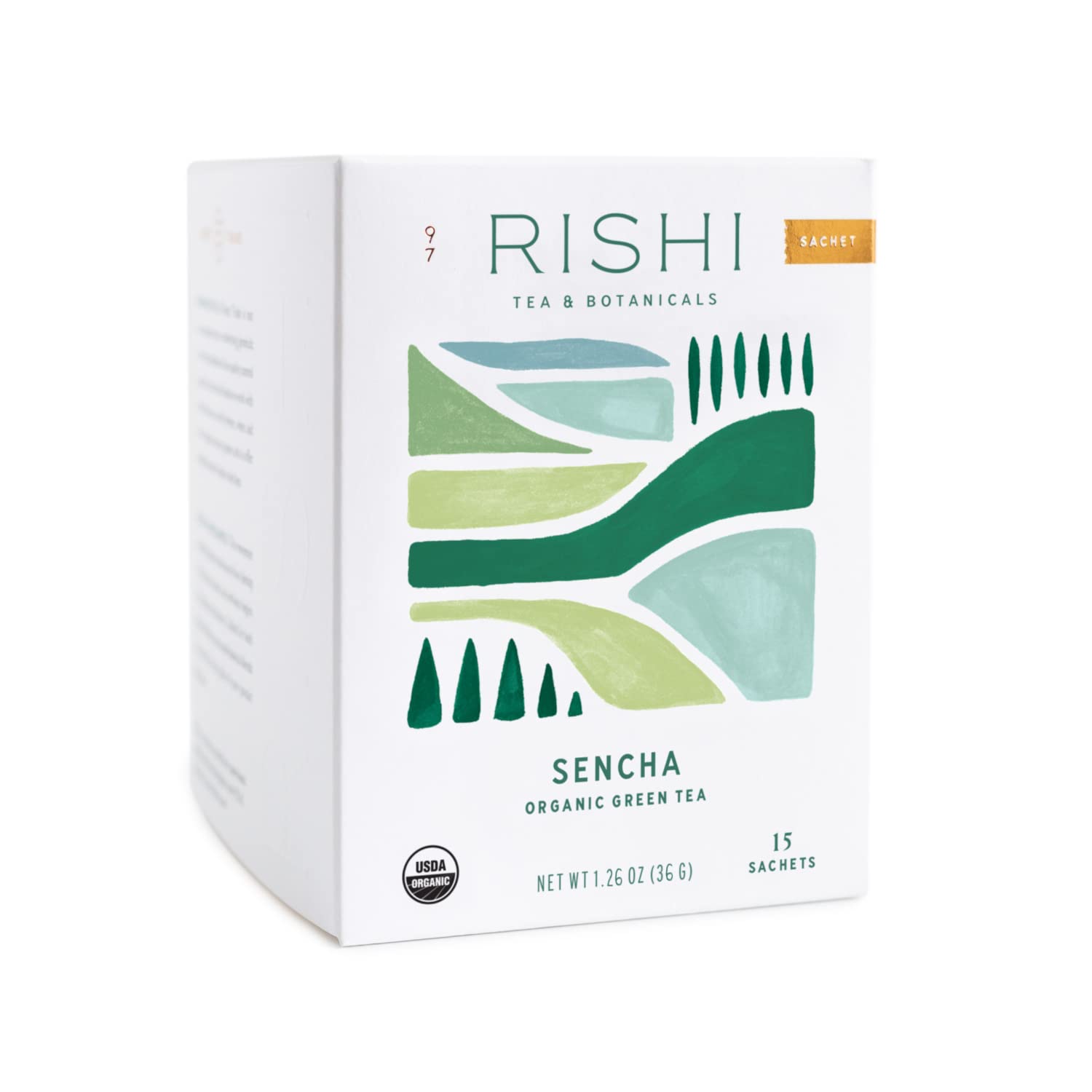
Green tea is a type of tea that is made from the leaves of the camellia sinensis plant. It originated in China and has been consumed for centuries due to its numerous health benefits and unique flavor profile. While it’s excellent for settling nausea and stomach troubles, Seven Teas points out that it also offers a bonus package of benefits—from energy boosting to stress reduction and brain support. Just remember to watch your intake, as too much caffeine might make queasiness worse.
The science behind green tea’s stomach-soothing properties is compelling. Healthline reports that this ancient remedy, traditionally used to treat everything from basic diarrhea to typhoid-related symptoms, has shown impressive results in modern research. In one notable study, children with stomach flu who received green tea extract experienced significant improvements and shorter hospital stays.
The proof is in the pudding…or the tea, in this case. The secret to green tea’s digestive prowess lies in its chemical composition, according to Sencha Tea Bar. Research published in the European Journal of Pharmacology reveals that compounds called catechins are readily absorbed by your intestines, helping to boost metabolism and reduce fat deposits. But that’s not all—green tea also stimulates the production of digestive juices, including bile, which helps your body break down food more efficiently and reduces those uncomfortable bouts of bloating and gas.
6. Chamomile
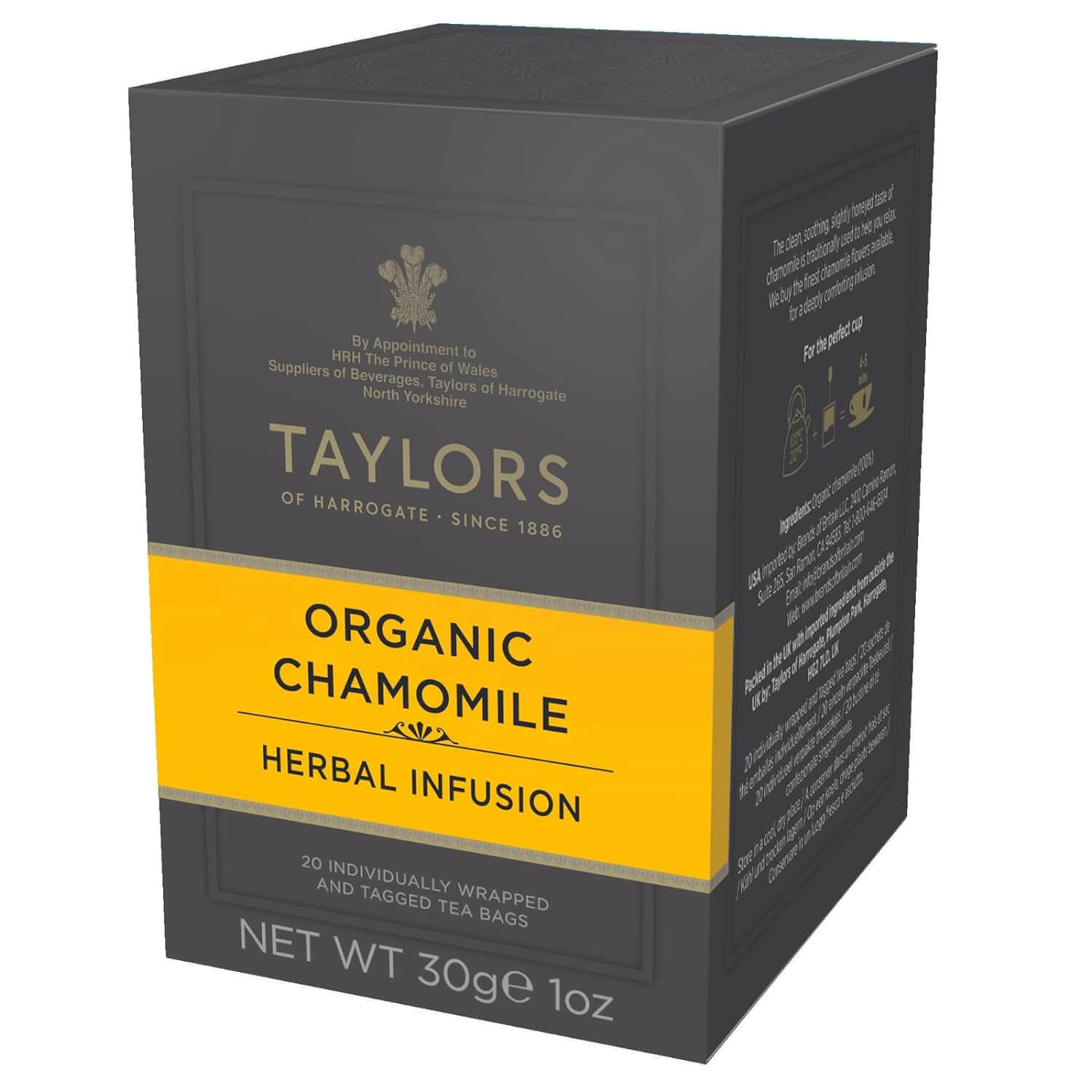
Chamomile tea, also known as Matricaria chamomilla, is a popular herbal infusion that has been enjoyed for centuries due to its soothing and calming properties. According to Silicol, this calming brew works by relaxing digestive muscles, making it effective against a wide range of stomach issues—from basic indigestion and bloating to more severe symptoms like nausea and diarrhea.
Looking deeper into how chamomile works its magic, Sencha Tea Bar explains that these delicate flower buds do more than just taste good. The tea acts as a carminative, helping to reduce uncomfortable gas and bloating that can cause stomach pain. Its anti-inflammatory properties make it particularly valuable for people dealing with chronic digestive conditions like irritable bowel syndrome.
The effectiveness of chamomile isn’t just folklore—it’s backed by science. Healthline cites a compelling study where cancer patients taking chamomile extract experienced significantly less chemotherapy-induced vomiting compared to those who didn’t receive the herb. While the study used concentrated extract, experts believe that sipping on this daisy-like flower’s tea can offer similar soothing benefits for everyday stomach troubles.
7. Black

Black tea is a type of tea that is more oxidized than green, oolong, and white teas. It is known for its bold and robust flavor, as well as its deep, dark color. Medicine Net explains that this classic beverage’s impressive combination of antioxidants and digestive benefits make it particularly effective for tackling bloating and gas.
The power of black tea lies in its unique compounds, according to Seven Teas. While it can help calm nausea and settle an upset stomach, it has an additional trick up its sleeve—the theine and caffeine content actually helps speed up digestion through a mild laxative effect. Just remember to enjoy it in moderation, as its caffeine content can be quite potent.
When it comes to scientific backing, black tea has an impressive track record. With benefits similar to its cousin green tea, black tea shows particular promise in treating diarrhea. One study involving 120 children found that black tea tablets made a significant difference in improving various aspects of bowel movements, from volume to frequency and consistency (Healthline).
Sources:
Note: This article was not paid for nor sponsored. StudyFinds is not connected to nor partnered with any of the brands mentioned and receives no compensation for its recommendations. This article may contain affiliate links in which we receive a commission if you make a purchase.


